Hacklink panel

Hacklink Panel

Hacklink panel

Hacklink

Hacklink panel

Backlink paketleri

Hacklink Panel

Hacklink

Hacklink

Hacklink panel

Hacklink

Hacklink

Hacklink

Hacklink

Hacklink panel

Eros Maç Tv

Hacklink panel

Hacklink panel

Hacklink panel

Hacklink panel

Hacklink panel

Hacklink panel

Hacklink panel

Hacklink panel

Hacklink panel

Hacklink panel

Hacklink panel

Hacklink panel

Hacklink panel

Hacklink panel

Hacklink panel

Hacklink panel

Hacklink panel

Hacklink satın al

Hacklink satın al

Hacklink panel

Hacklink panel

Hacklink panel

Hacklink panel

Hacklink panel

Hacklink panel

Hacklink panel

Hacklink panel

Hacklink panel

Hacklink panel

Hacklink panel

Hacklink panel

Hacklink panel

Hacklink panel

Hacklink panel

Hacklink panel

Hacklink panel

Hacklink panel

Hacklink panel

Hacklink panel

Hacklink panel

Illuminati

Hacklink

Hacklink Panel

Hacklink

Hacklink Panel

Hacklink panel

Hacklink Panel

Hacklink

Masal oku

Hacklink Panel

Hacklink

Hacklink

Hacklink

Hacklink

Hacklink

Hacklink Panel

meritking

Hacklink panel

Postegro

Masal Oku

Hacklink

Hacklink panel

Hacklink panel

Hacklink panel

Hacklink panel

Brain Savior Review

Hacklink Panel

Hacklink

Hacklink

Hacklink

Hacklink

Hacklink panel

Hacklink panel

Hacklink panel

Hacklink panel

Hacklink

Hacklink

Hacklink Panel

Hacklink

Hacklink

Hacklink

Buy Hacklink

Hacklink

Hacklink

Hacklink

Hacklink

Hacklink satın al

Hacklink panel

Hacklink panel

Hacklink panel

Hacklink panel

Hacklink panel

Hacklink panel

Hacklink panel

Hacklink panel

Hacklink panel

Hacklink panel

Hacklink panel

Hacklink panel

Hacklink panel

Hacklink panel

Hacklink

Hacklink panel

Hacklink panel

Hacklink panel

Hacklink panel

Hacklink panel

Hacklink panel

Hacklink panel

Hacklink panel

Hacklink panel

Hacklink panel

Hacklink panel

Hacklink

Masal Oku

Hacklink panel

Hacklink

Hacklink

หวยออนไลน์

Hacklink

Hacklink satın al

marsbahis giriş telegram

marsbahis giriş

Hacklink Panel

casino siteleri

https://guinguinbali.com/

NervEase

escort sakarya

sakarya escort

izmit escort

marsbahis

jojobet

jojobet

jojobet giriş

pokerklas

perabet

trimology review

jojobet

holiganbet

holiganbet giriş

jojobet

holiganbet

pusulabet

holiganbet giriş

Nitric Boost

holiganbet

holiganbet giriş

alpha fuel pro

Alpha Fuel Pro

trimology review

mislibet giriş

mislibet resmi giriş

Mislibet

enjoybet orjinal link

grandpashabet giriş

tophillbet

mislibet telegram

jojobet

xslot giriş

jito token

marsbahis

Aydın Escort

pokerklas

jojobet giriş

betsin

Hacking forum

Category: bonsai

  • Beginner Bonsai Tree Training for Novices

    Bonsai is the art of cultivating miniature trees that mimic the shape and scale of full-sized trees in nature. It’s a rewarding hobby that combines horticulture with artistic expression. This guide will walk you through the essential steps for a beginner.

    1. Choosing Your First Bonsai Tree

    Starting with the right tree is crucial for success. Look for hardy species that are forgiving of beginner mistakes and readily available.

    • Recommended Species for Novices:
      • Juniper (Juniperus procumbens nana): Very popular, evergreen, and tolerant of various conditions.
      • Ficus (Ficus microcarpa): Indoor-friendly, vigorous grower, and responds well to pruning.
      • Chinese Elm (Ulmus parvifolia): Hardy, fast-growing, and develops fine branching easily.
      • Schefflera (Schefflera arboricola): Another good indoor option, resilient and can be styled.
    • Where to Buy:
      • Local nurseries with a bonsai section.
      • Specialized bonsai nurseries or online retailers.
      • Avoid “mallsai” (mass-produced, poorly cared for trees) if possible, as they often have health issues.

    2. Basic Care: The Foundation of Healthy Bonsai

    A healthy tree is the canvas for your art. Neglecting basic care will lead to disappointment.

    Watering

    This is the most critical aspect. Bonsai trees, being in small pots, dry out quickly.

    • Frequency: Check your tree daily. Water when the top inch of soil feels slightly dry to the touch. This could be daily, or even twice a day in hot, dry weather.
    • Technique: Water thoroughly until water drains from the bottom of the pot. You can also submerge the pot in a basin of water until the bubbles stop.
    • Signs of improper watering:
      • Underwatering: Wilting leaves, crispy foliage, soil pulling away from the pot edges.
      • Overwatering: Yellowing leaves, soggy soil, root rot (often fatal).

    Lighting

    Different species have different light requirements.

    • Outdoor Bonsai (Juniper, Chinese Elm): Generally prefer full sun (6+ hours of direct sunlight) to grow strong and healthy.
    • Indoor Bonsai (Ficus, Schefflera): Need bright, indirect light. A south-facing window is often ideal. Supplement with grow lights if natural light is insufficient.

    Fertilizing

    Bonsai trees need nutrients to thrive, especially since their soil volume is limited.

    • Type: Use a balanced liquid bonsai fertilizer or a slow-release granular fertilizer.
    • Frequency: During the growing season (spring through fall), fertilize regularly according to the product instructions. Reduce or stop fertilizing in winter when growth slows.
    • Dilution: Always dilute liquid fertilizers to half strength for young or recently repotted trees.

    Soil

    Proper bonsai soil promotes good drainage and aeration, preventing root rot.

    • Composition: A typical mix includes akadama (clay granules), pumice, lava rock, and a small amount of organic matter (like pine bark). Avoid using regular potting soil.
    • Drainage: Essential for root health.

    3. Training Techniques: Shaping Your Bonsai

    Once your tree is healthy, you can begin the artistic process of shaping.

    Pruning

    The primary method for shaping and maintaining your bonsai.

    • Branch Pruning: Remove unwanted branches (dead, crossing, or excessively thick ones) to define the tree’s structure and create taper.
    • Leaf Pruning/Defoliation (Advanced): Removing some leaves encourages smaller leaf growth and ramification (more fine branching). This is usually done on strong, healthy trees.
    • Pinching/Clipping: Regularly pinch back new growth to maintain the tree’s desired shape and encourage denser foliage. Aim to cut just above a pair of leaves or a bud pointing in the direction you want growth.

    Wiring

    Used to bend and position branches and the trunk into desired shapes.

    • Materials: Use anodized aluminum or annealed copper wire, specifically designed for bonsai.
    • Technique:
    1. Choose the appropriate wire thickness (about 1/3 the thickness of the branch).
    2. Anchor the wire securely in the soil or to another strong branch/trunk.
    3. Wrap the wire around the branch at a 45-degree angle, spiraling upwards. Ensure the wire is snug but not biting into the bark.
    4. Gently bend the branch into the desired position.
    • Duration: Leave wire on only as long as necessary for the branch to “set” in its new position, usually a few weeks to several months. Check regularly to ensure the wire isn’t cutting into the bark. Remove immediately if it starts to do so.

    4. Repotting

    Essential for maintaining root health and providing fresh nutrients.

    • When to Repot: Generally every 1-3 years for young trees, and every 3-5 years for older, more established trees. Signs include roots circling the pot, water not draining well, or slowed growth.
    • Timing: Early spring, just before the growing season begins, is ideal.
    • Process:
    1. Gently remove the tree from its pot.
    2. Using a root hook or chopstick, carefully untangle and remove about 1/3 to 1/2 of the outer and bottom root mass.
    3. Repot into the same pot or a slightly larger one, using fresh bonsai soil.
    4. Wire the tree securely into the pot to prevent movement.
    5. Water thoroughly and place in a shaded, protected spot for a few weeks to recover.

    5. Ongoing Observation and Patience

    Bonsai is a continuous process.

    • Observe Your Tree: Regularly inspect your tree for signs of pests, diseases, or stress. The sooner you catch issues, the easier they are to address.
    • Learn Continuously: Read books, watch videos, join local bonsai clubs, and connect with experienced enthusiasts.
    • Patience is Key: Bonsai is not a quick hobby. It takes years, even decades, to truly develop a masterpiece. Enjoy the journey and the gradual transformation of your tree.

    Start with these basics, and you’ll be well on your way to cultivating your own beautiful miniature trees!
  • Phoenix Ficus

    Phoenix Ficus

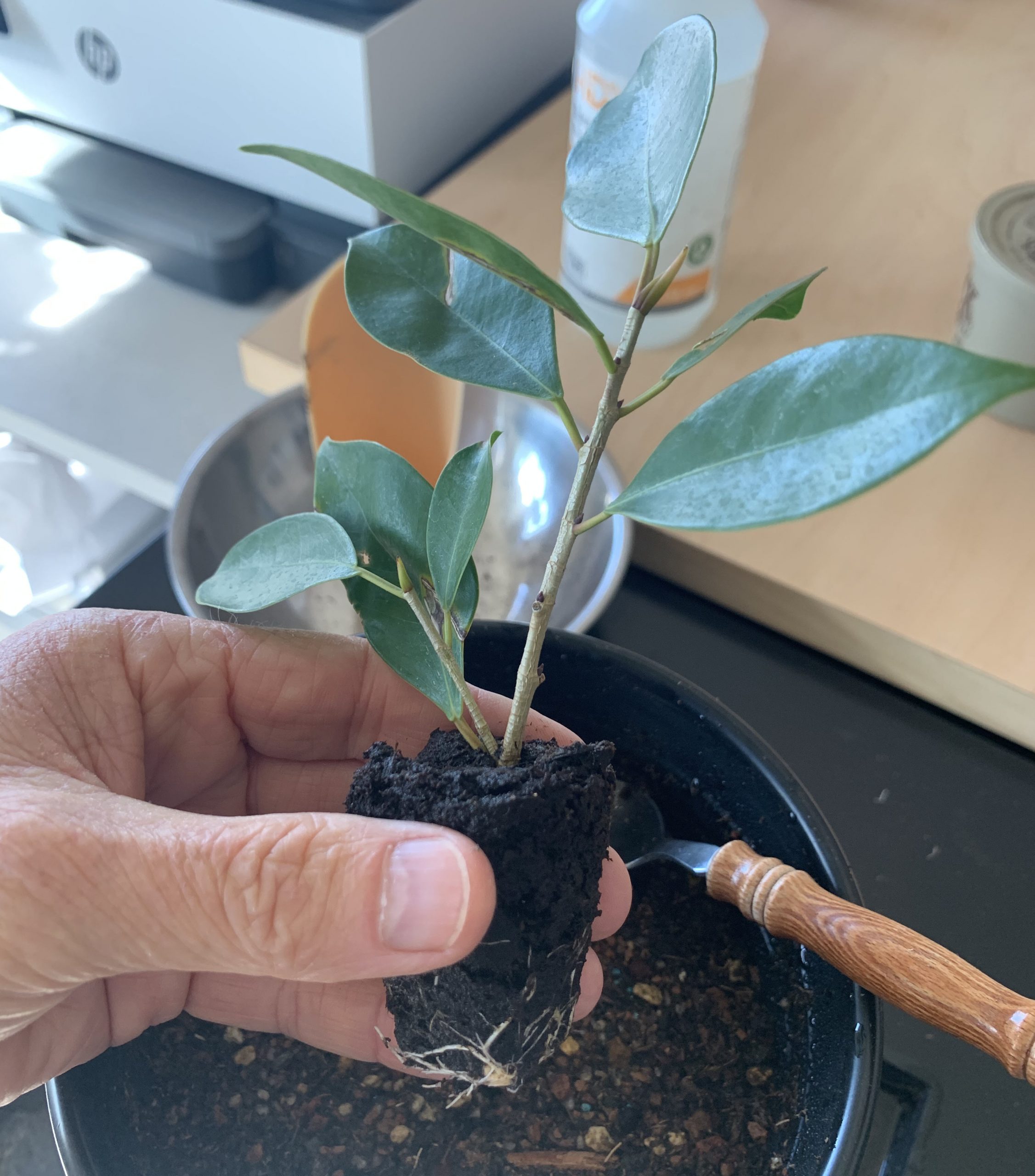
    In January of 2021 I was in Phoenix, AZ with Sydni at a soccer tournament and I had LOTS of free time to kill between games. I visited many parks, so lots of walking. In one of the parks I saw a very familiar looking tree, a Ficus Microcarpa. I know this tree well because in my office I have 60+ Ficus Microcarpa in various stages of bonsai development.

    This tree was about 80 feet tall and 50 feet wide with amazing branch structure. Near the base of the tree was a little branch, about 6 inches of growth. Knowing how easy these trees root from clippings and how healthy this particular tree looked, I knew I needed to take a clipping home to Colorado so I pinched the little branch off and took it back to my hotel. For the next 3 days the clipping soaked in water on the window sill in my hotel room.

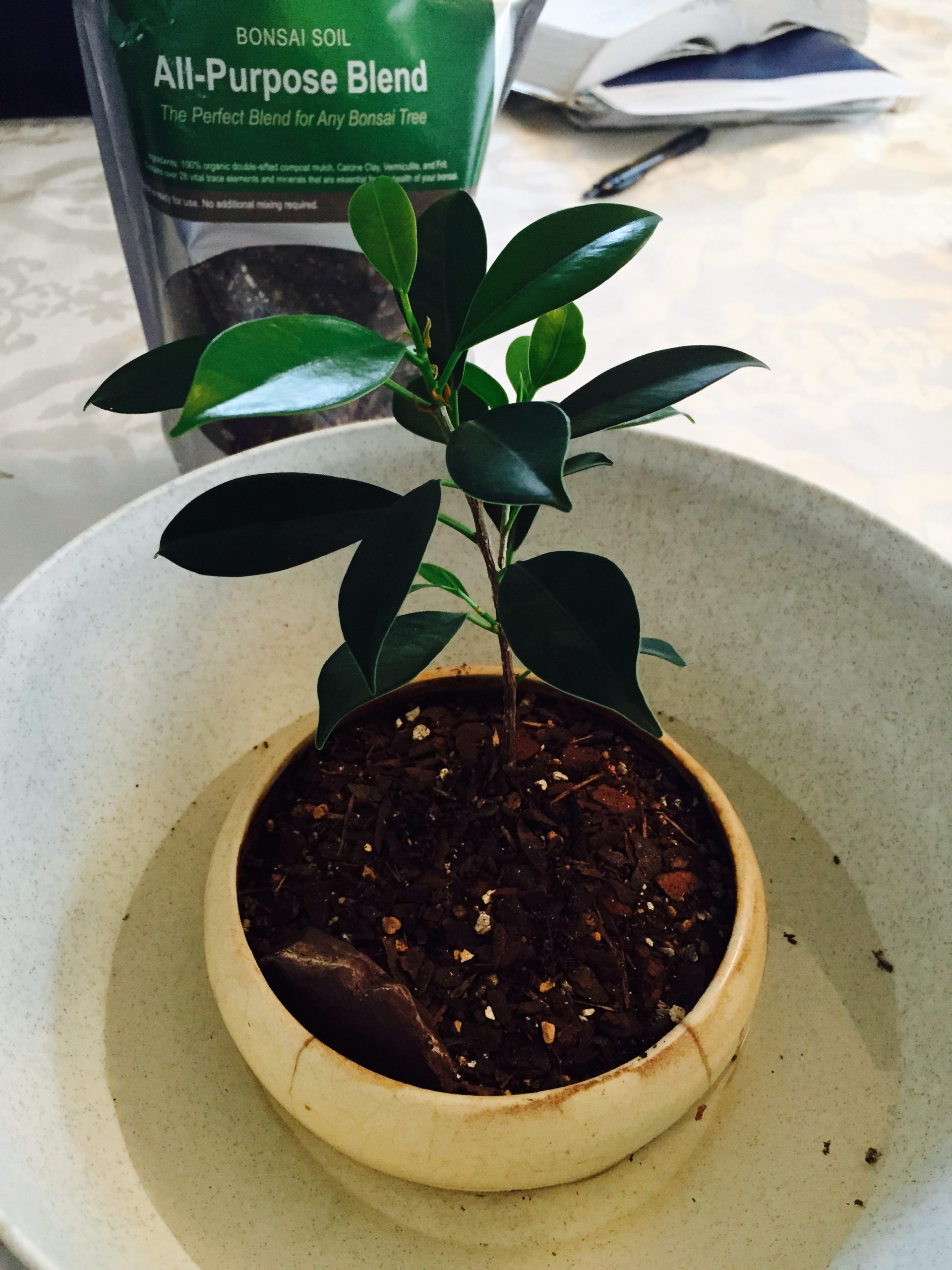
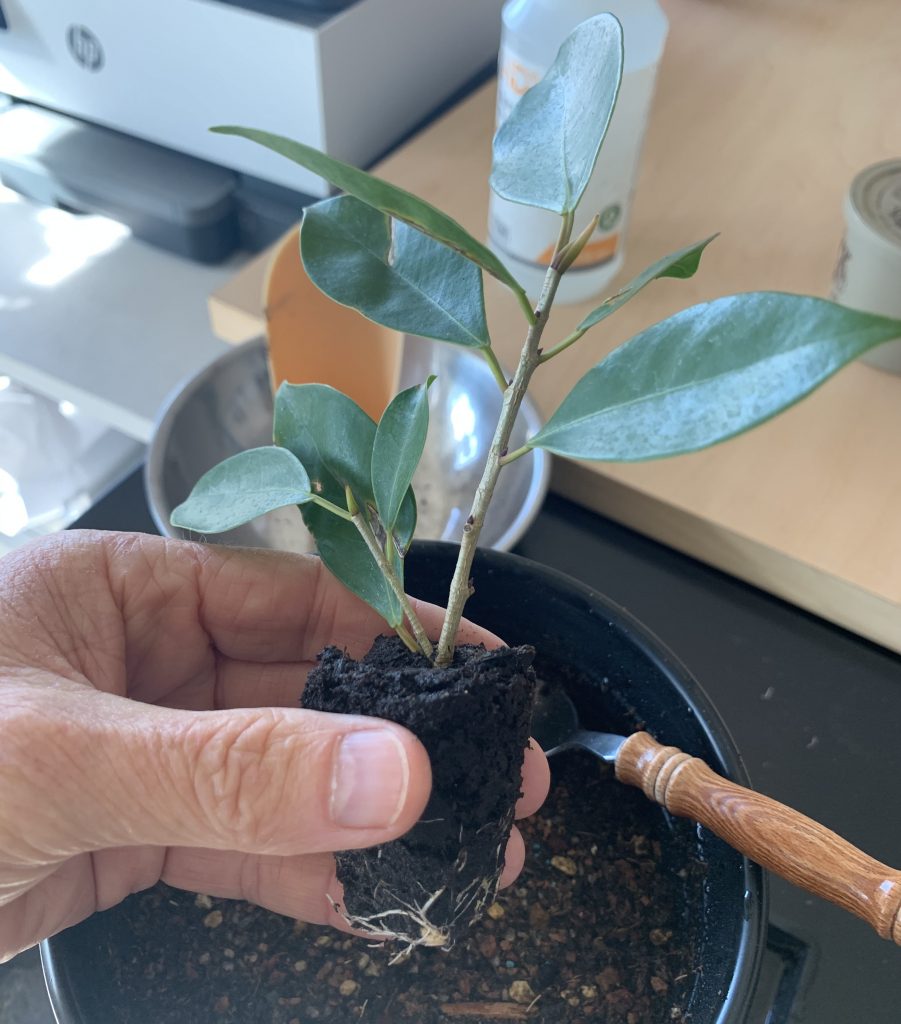
    Once I got home I put the clipping in a tray with peat moss and on a heated mat. About 7 weeks later it had good root structure and was ready to plant.

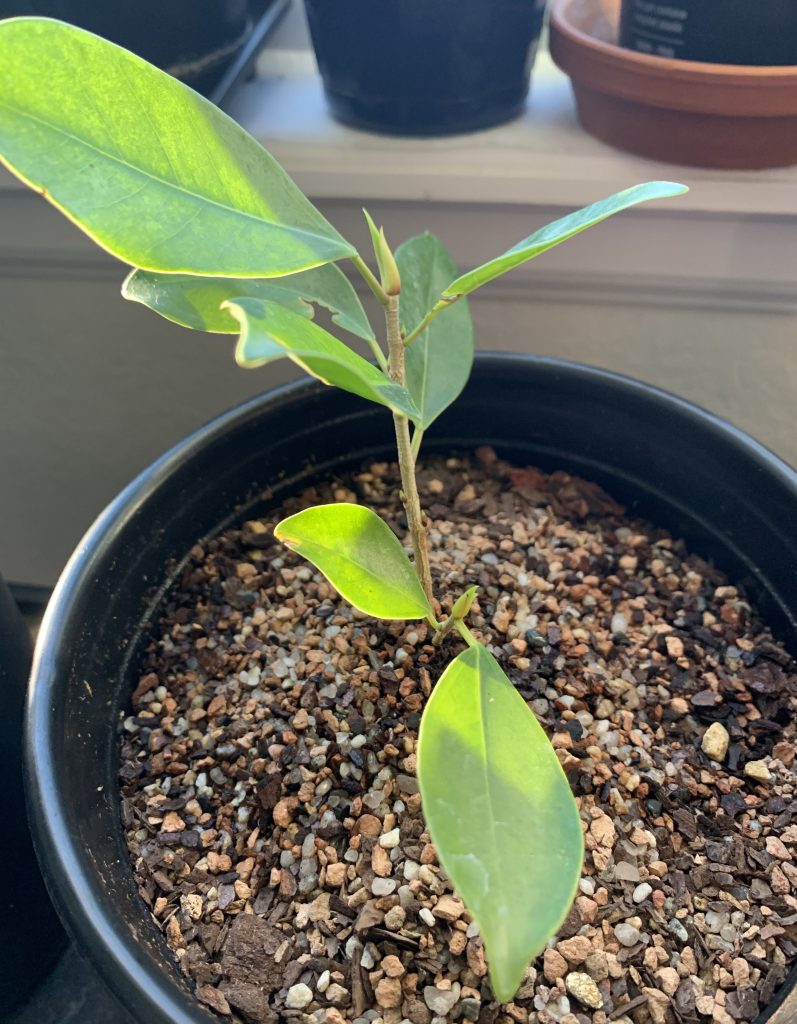
    Phoenix Ficus ready to plant!

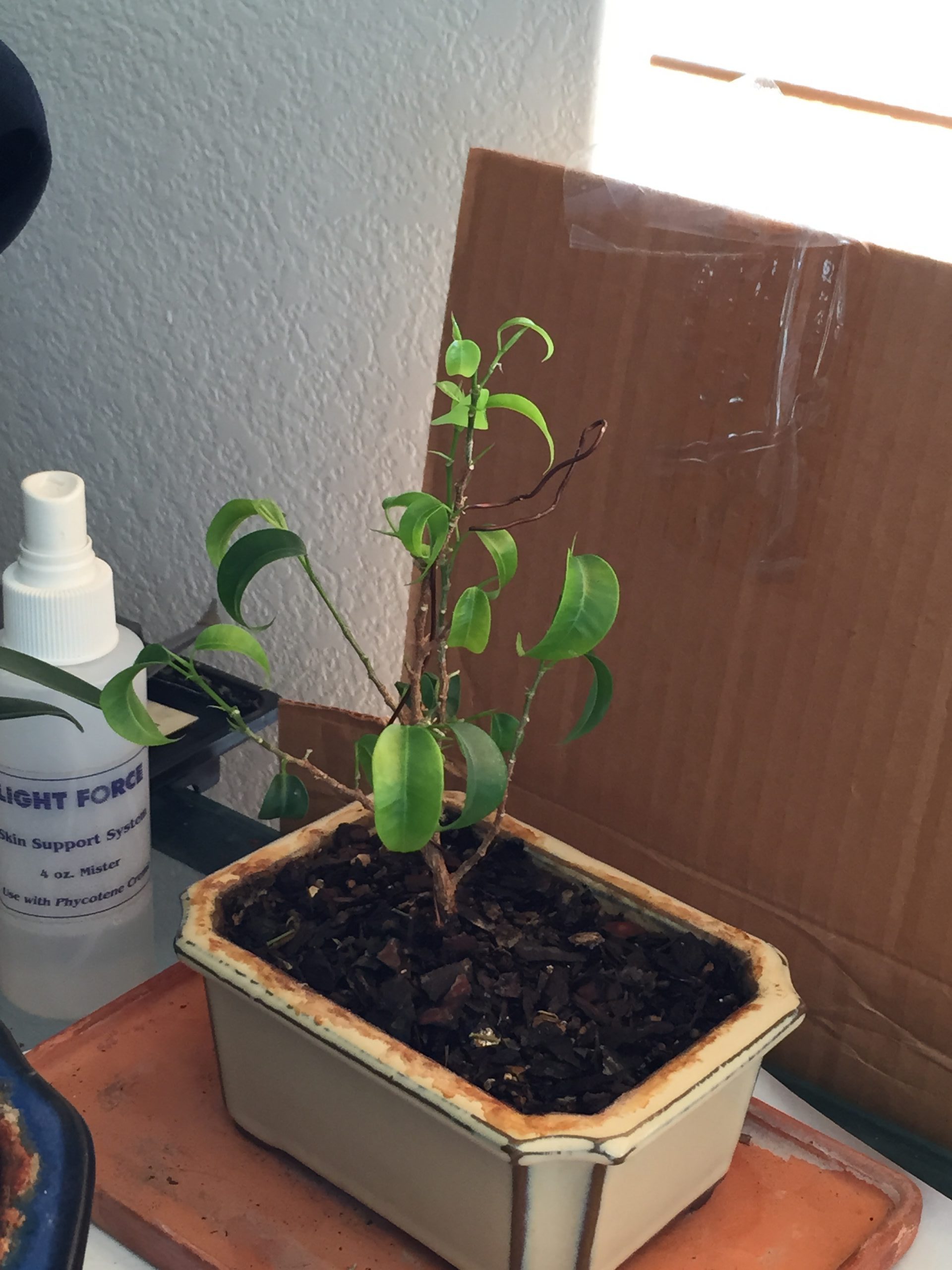
    In one week the first new leaf started to emerge from the apex of the tree.

    New leaf at apex starting to emerge.

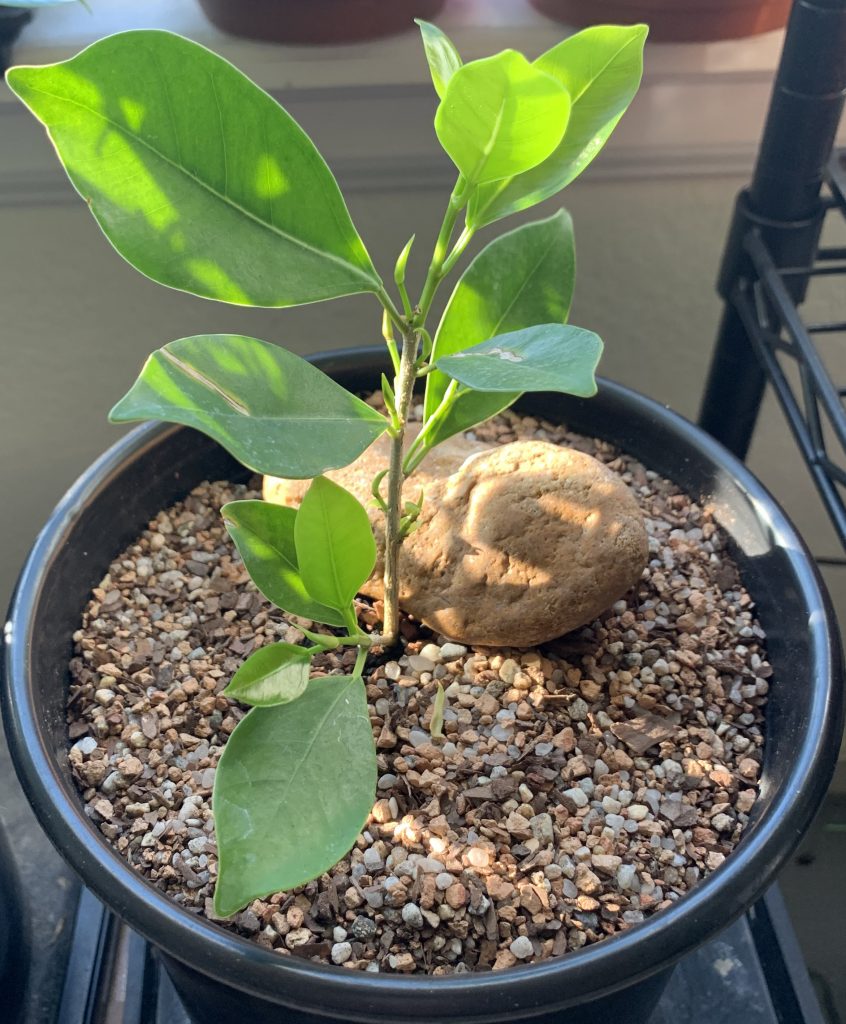
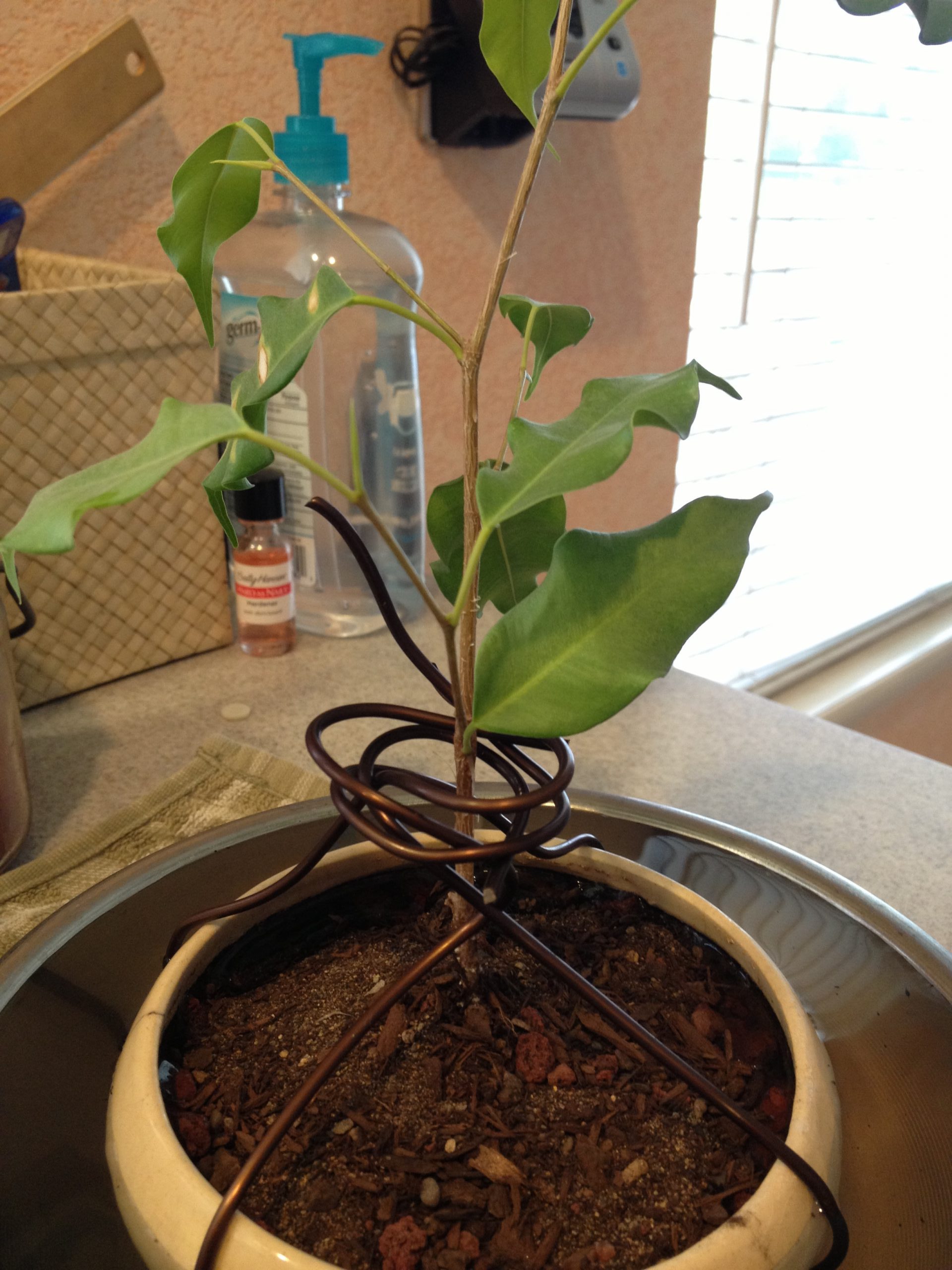
    In two weeks this little tree has many new leafs and is growing fast.

    Leaf and branch explosion.

    The day before I took this last image I re-positioned the tree in the pot to have a more vertical stance for the main trunk of the tree, and I added a rock for stability. Ficus trees grow root fast so the rock can be removed in a few weeks.

    This spring, once the last frost is for sure past, I will place this Ficus in a protected area of my back yard for the summer. Protected means no late afternoon sun and some wind blockage. A tree this young will not have the roots capable of dealing with a lot of wind.

    My guess is by end of the summer this tree will be 2-3 feet tall with a trunk width of about an inch. NOTE: I planted this Ficus in a nursery pot that is 7 inches tall and 6.5 inches wide to allow A LOT of root development. In its protected area the pot will be placed on loose soil to encourage the roots to grow out of the bottom of the pot and into the ground. This will created more rapid growth. In the fall I will simply cut those roots at the bottom and take the tree in doors for the winter and then repeat this process in 2022.

    Stay tuned for more images as this awesome little tree develops.

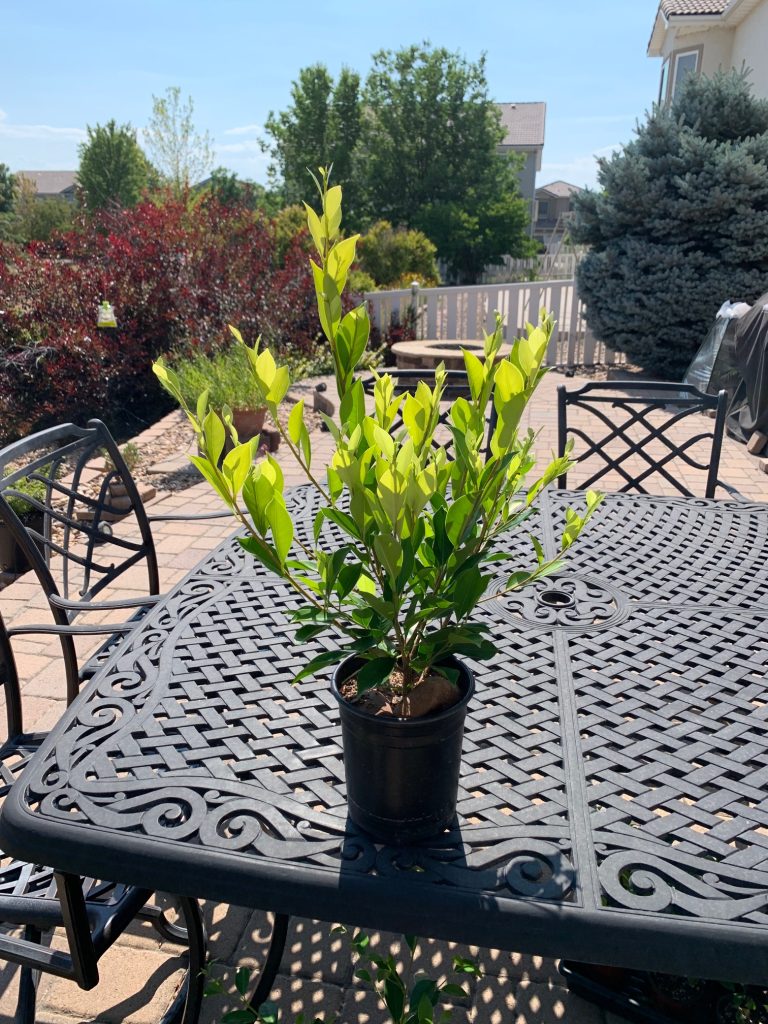
    This image is from July 18th, 2021.

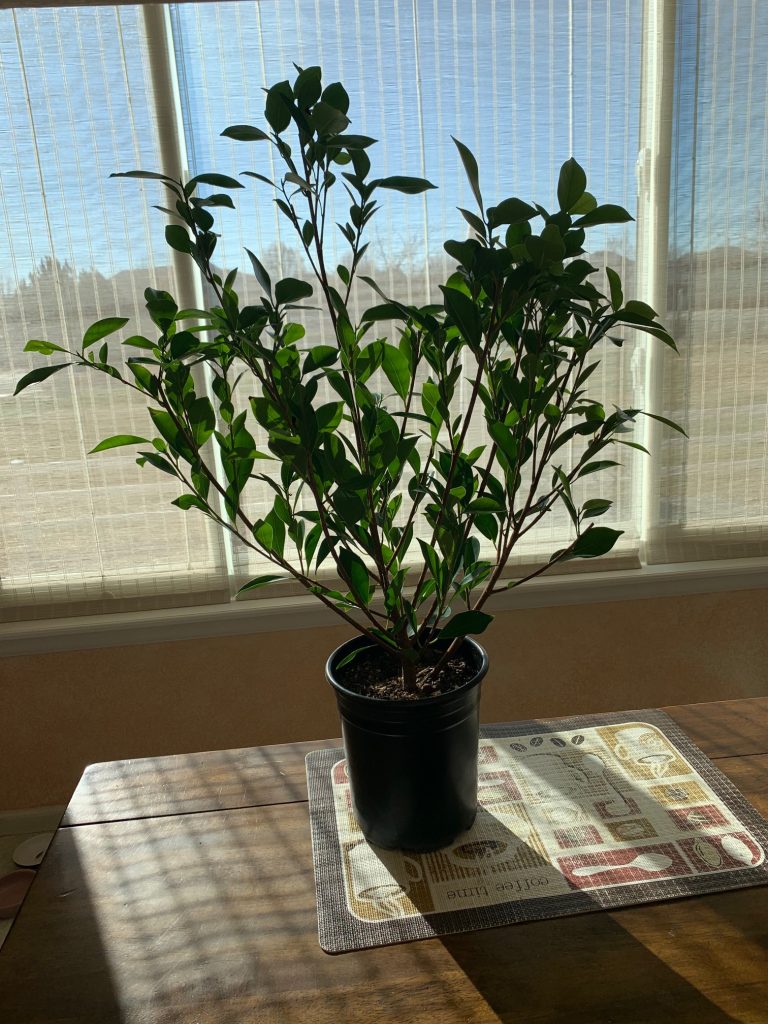
    This image is from Nov. 21, 2021. I brought this tree indoors near the end of September when night-time temps dipped below 50 degrees. Shortly after I brought it in I trimmed the branches back by 6-8 inches.

  • Cutting to rooted tree

    Cutting to rooted tree

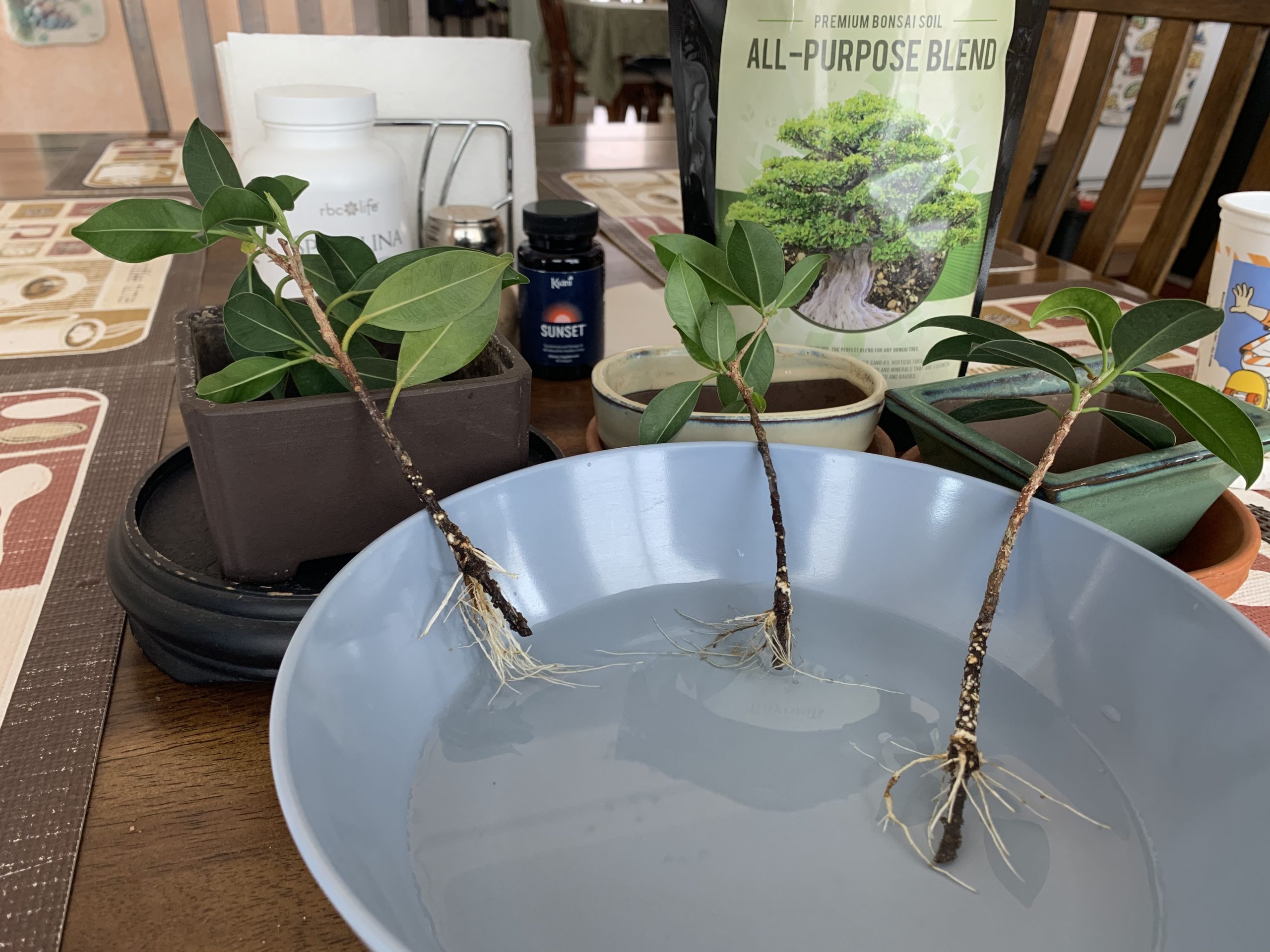
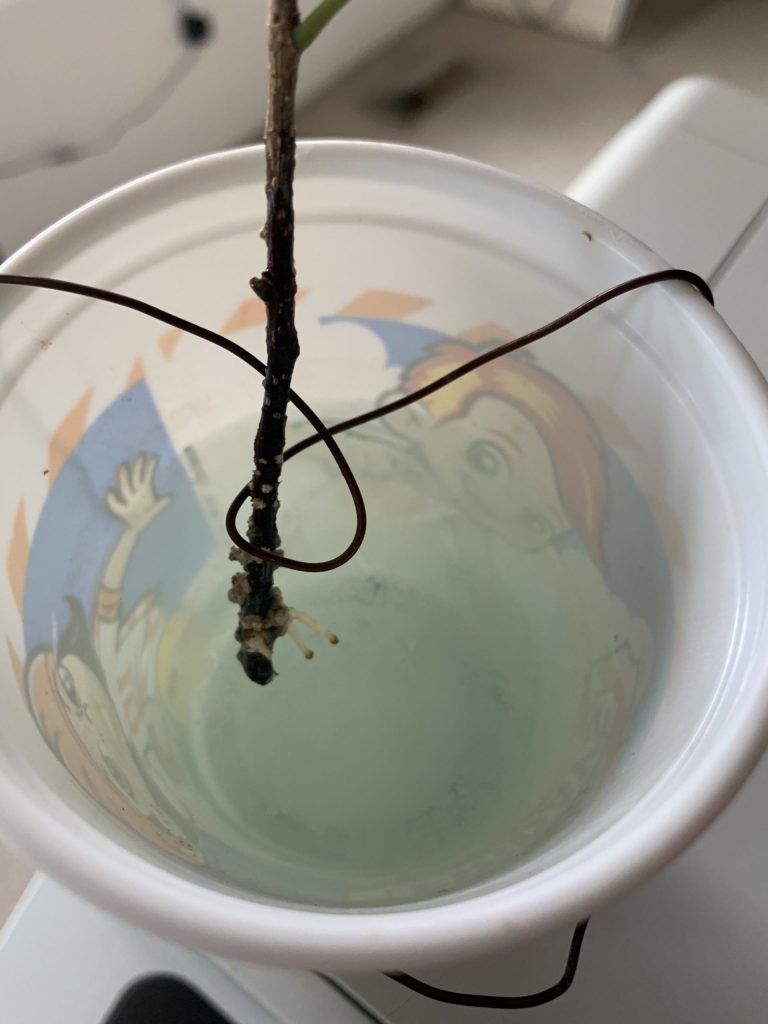
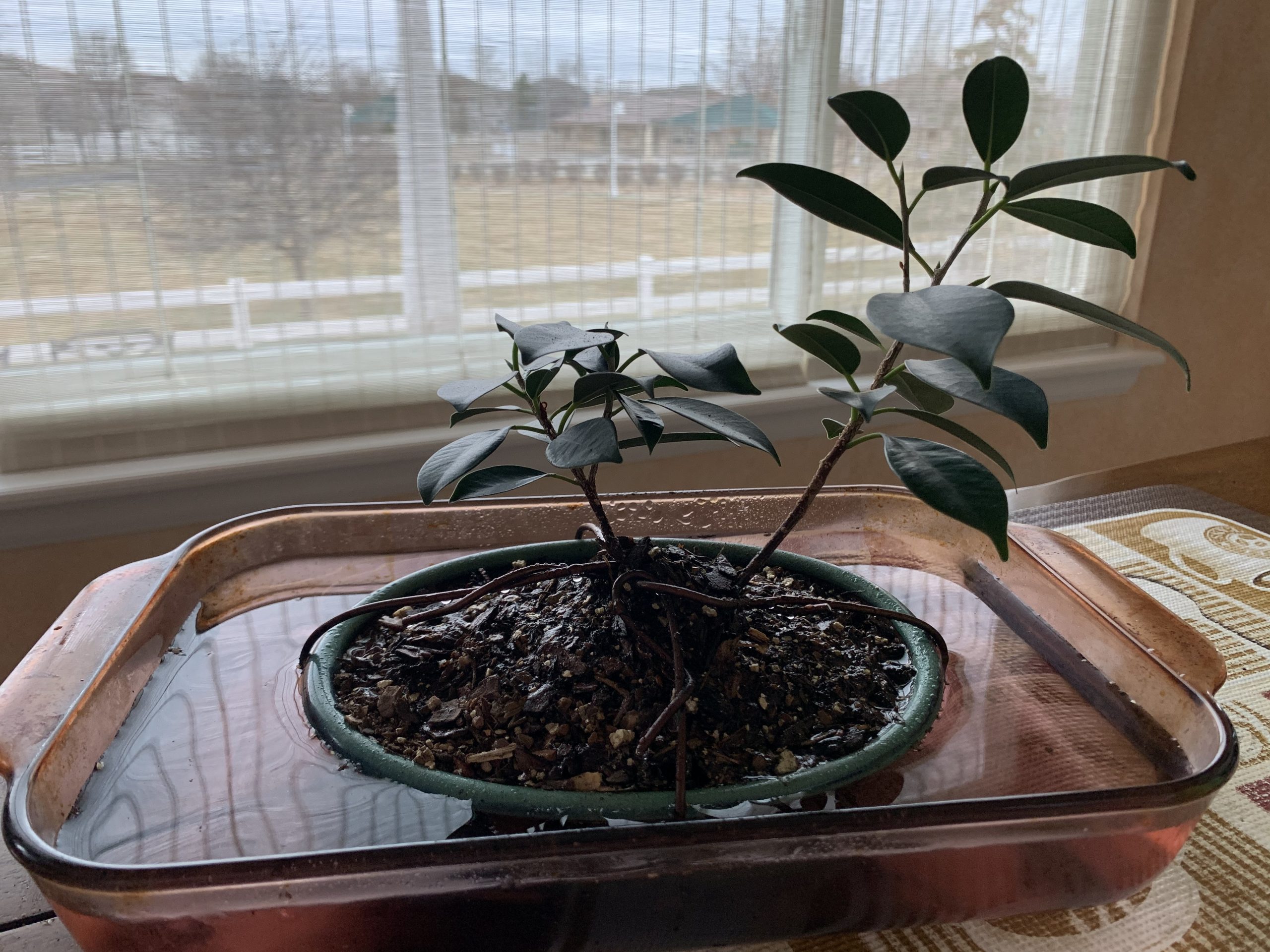
    Most Ficus tree cuttings are capable of developing roots when submerged in water. It will take 3-6 months and the water needs to be changed ever 2-3 weeks. Once the roots start to appear, add a few granules of miracle grow fertilizer to to encourage root grow and cutting health.

    Roots Appear

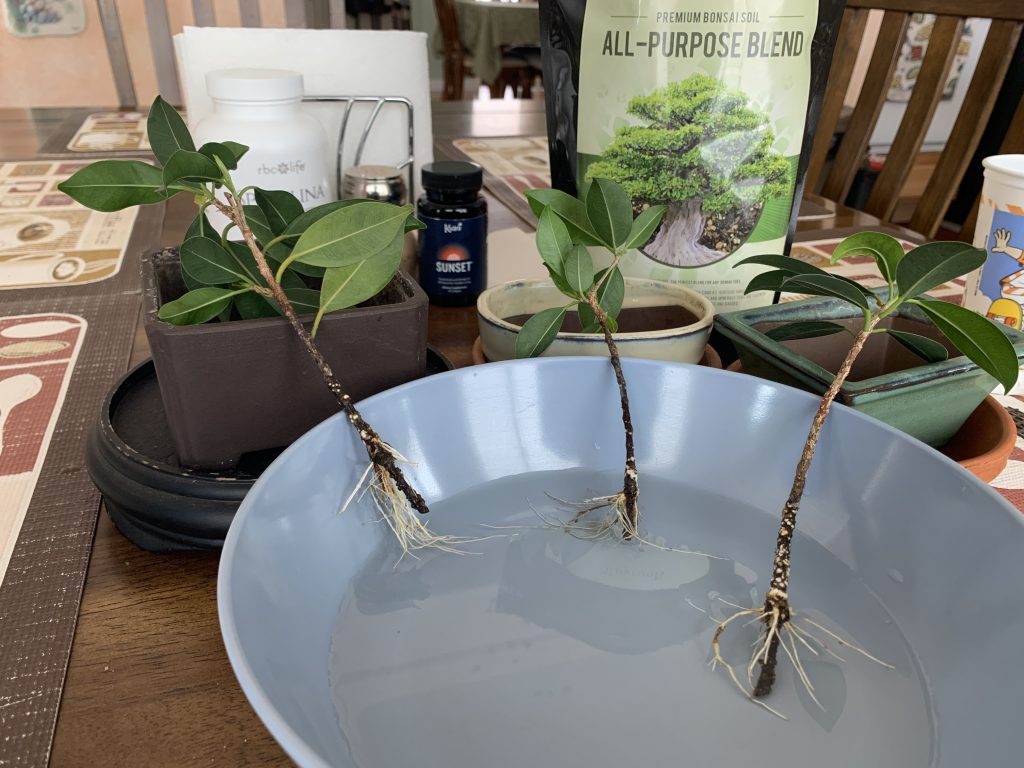
    This next image shows 3 cuttings ready to be planted. Each has good root development and new shoots at the apex of the clipping.

    Good root development, ready to plant!

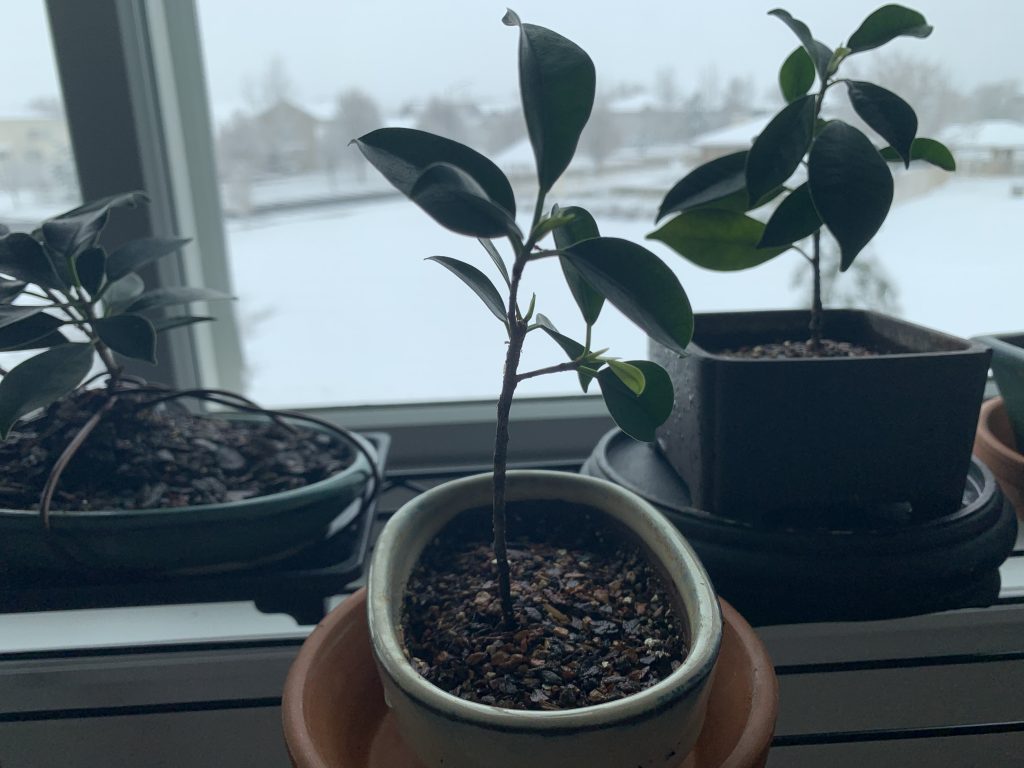
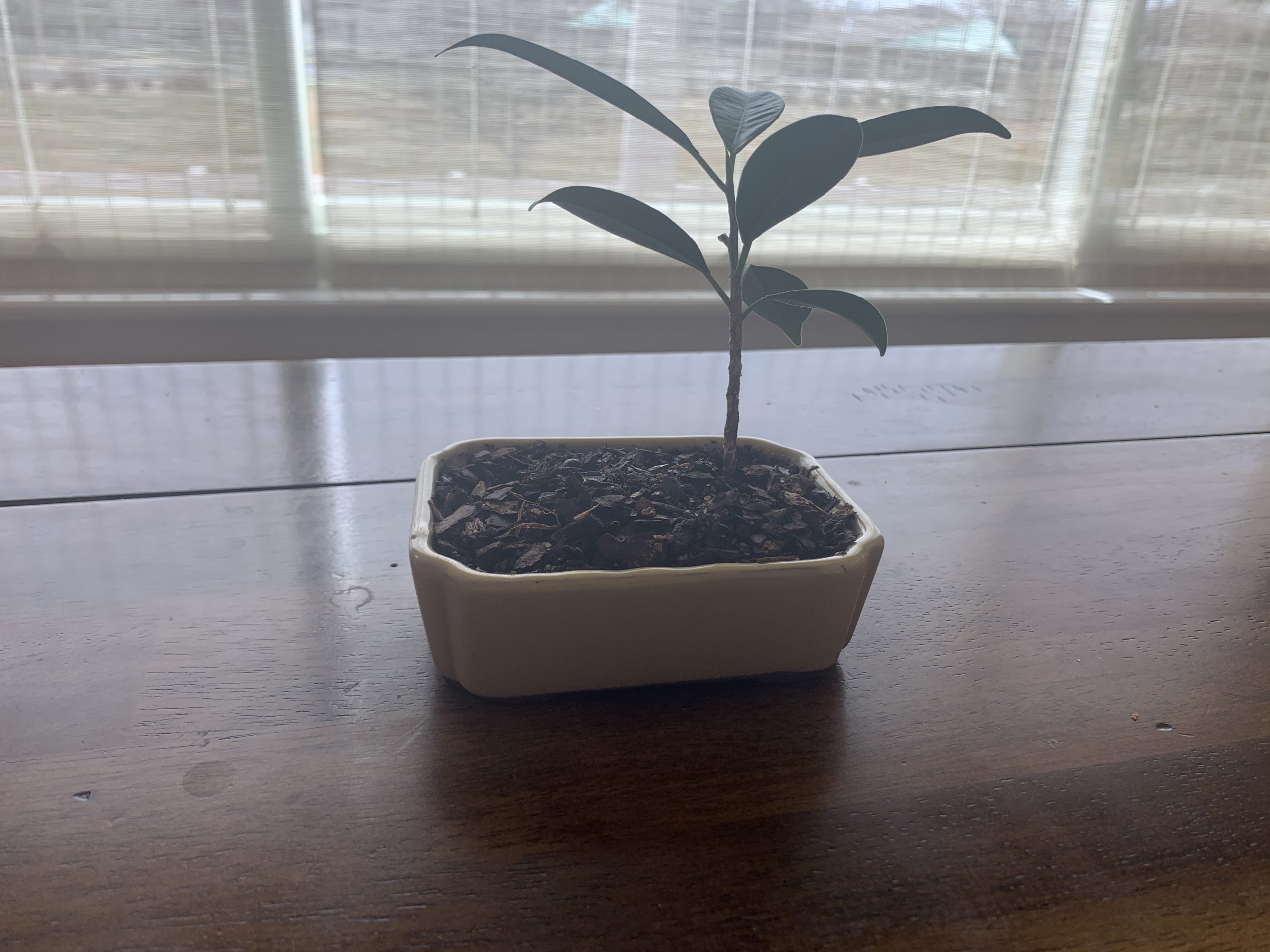
    This the left clipping after planting.

    Newly planted clipping!

    At this point you water every 3-4 days due to the small size of the pot. Re-pot the tree is about 2 years and prune and wire as needed to shape the tree to your liking. In about 10-15 years you will have a nice bonsai tree.

  • Ficus 10 – Ficus Rutusa

    Ficus 10 – Ficus Rutusa

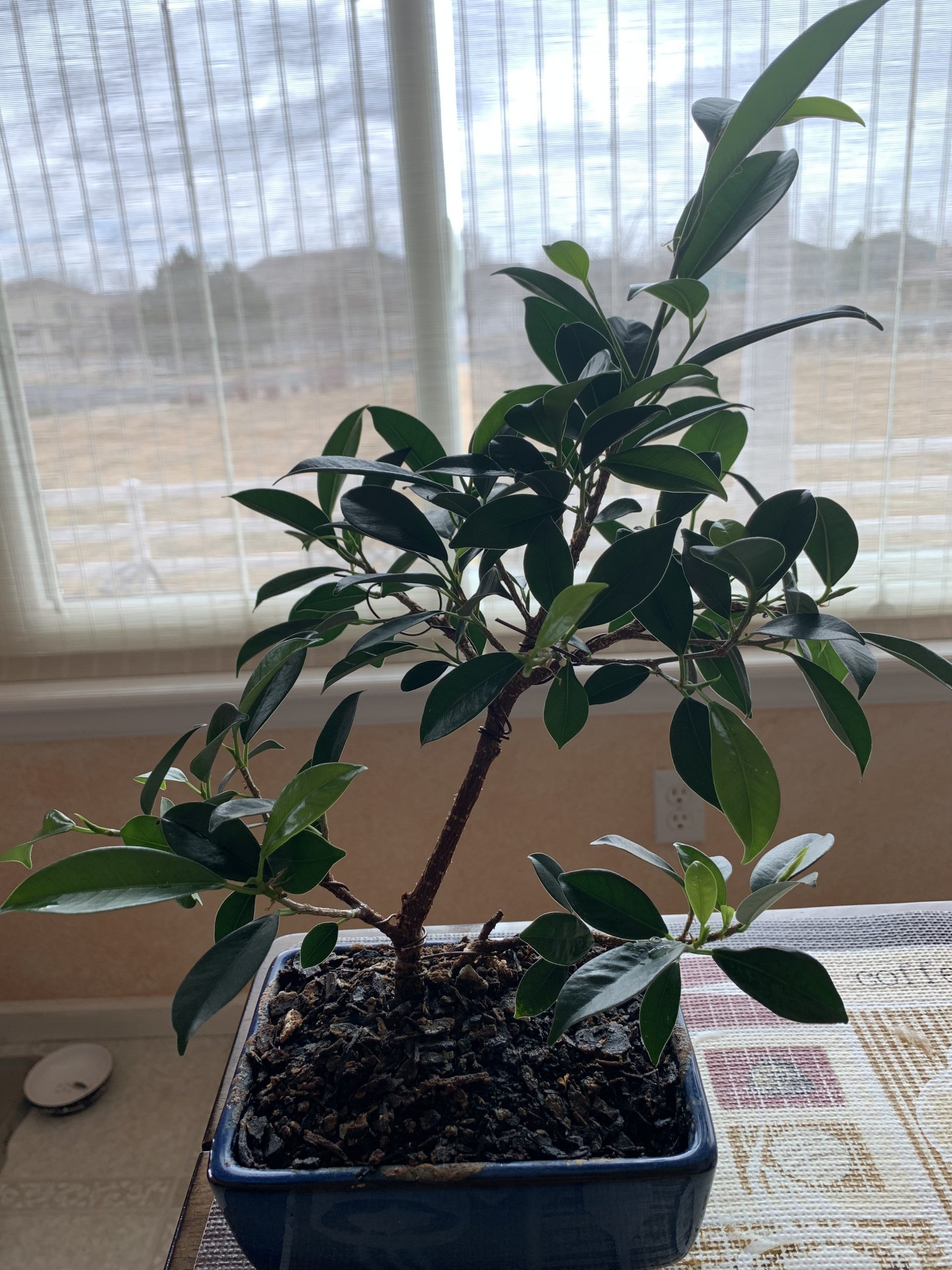
    This Ficus clipping is from my Ficus #1. It rooted in about 3 months in water. To stabilize the clipping I had to secure it with wire. In about 6 months the root base should be wide enough to support this tree.

  • Ficus 9 – Ficus Rutusa

    Ficus 9 – Ficus Rutusa

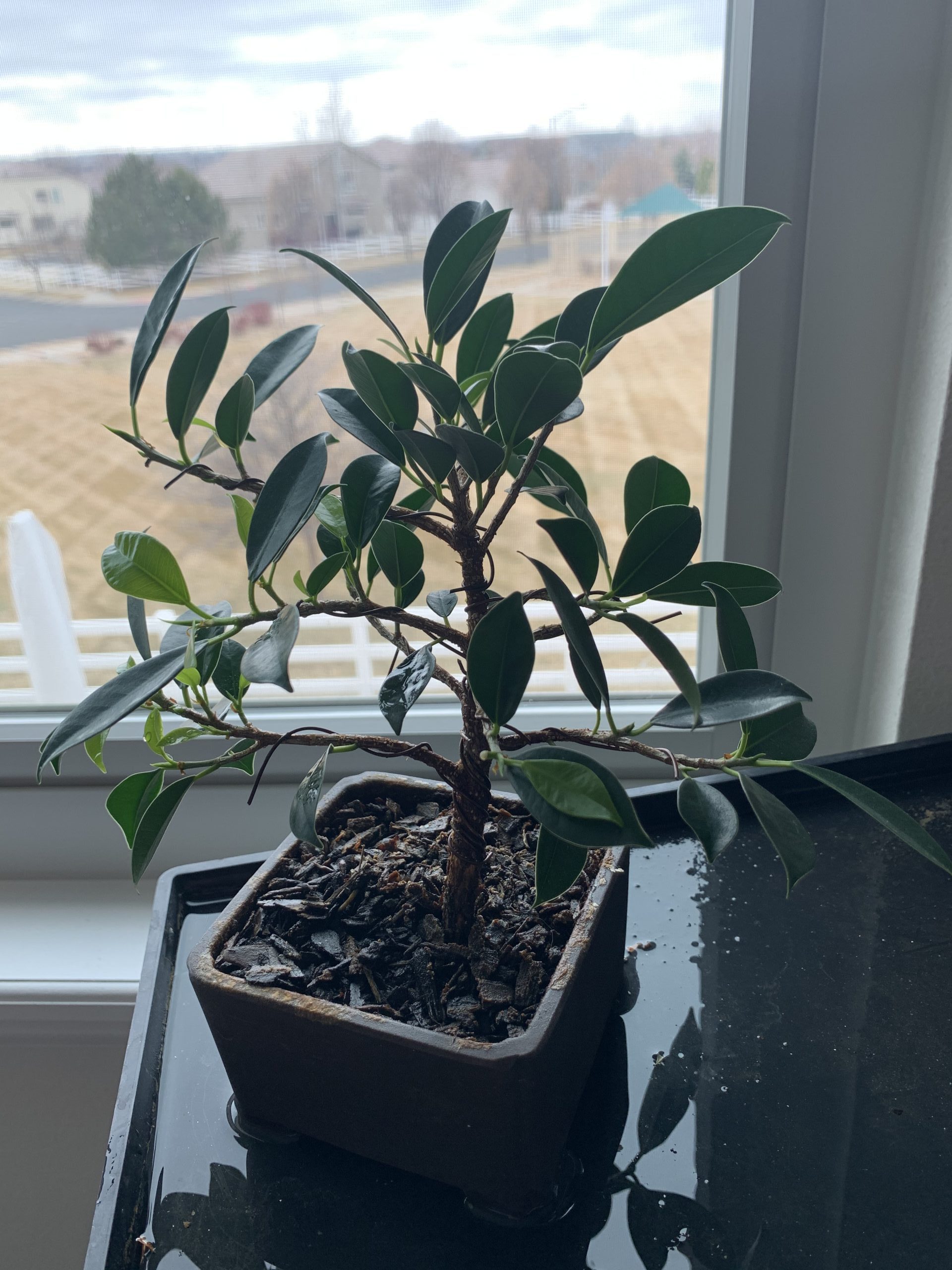
    This is a Clipping from Ficus 1 planted on April 1st, 2020.

  • Ficus 8 – Ficus Rutusa

    Ficus 8 – Ficus Rutusa

    This is a Clipping from Ficus 1 planted on Oct. 8th, 2018.

  • Ficus 7 – Ficus Rutusa

    Ficus 7 – Ficus Rutusa

    This is a Clipping from Ficus 1 planted on Oct. 8th, 2018.

  • Ficus 6 – Ficus Rutusa

    Ficus 6 – Ficus Rutusa

    This is a clipping from ficus 1 planting in 2014.

  • Ficus 5 – Ficus microcarpa

    Ficus 5 – Ficus microcarpa

    This a clipping from Ficus 2 that was planted on Dec. 14th, 2014.

  • Ficus 4 – Ficus Benjamina

    Ficus 4 – Ficus Benjamina

    This is a clipping from Ficus 3 planted on Sept 15th, 2013.